Packaging choices can shape the customer experience and business growth
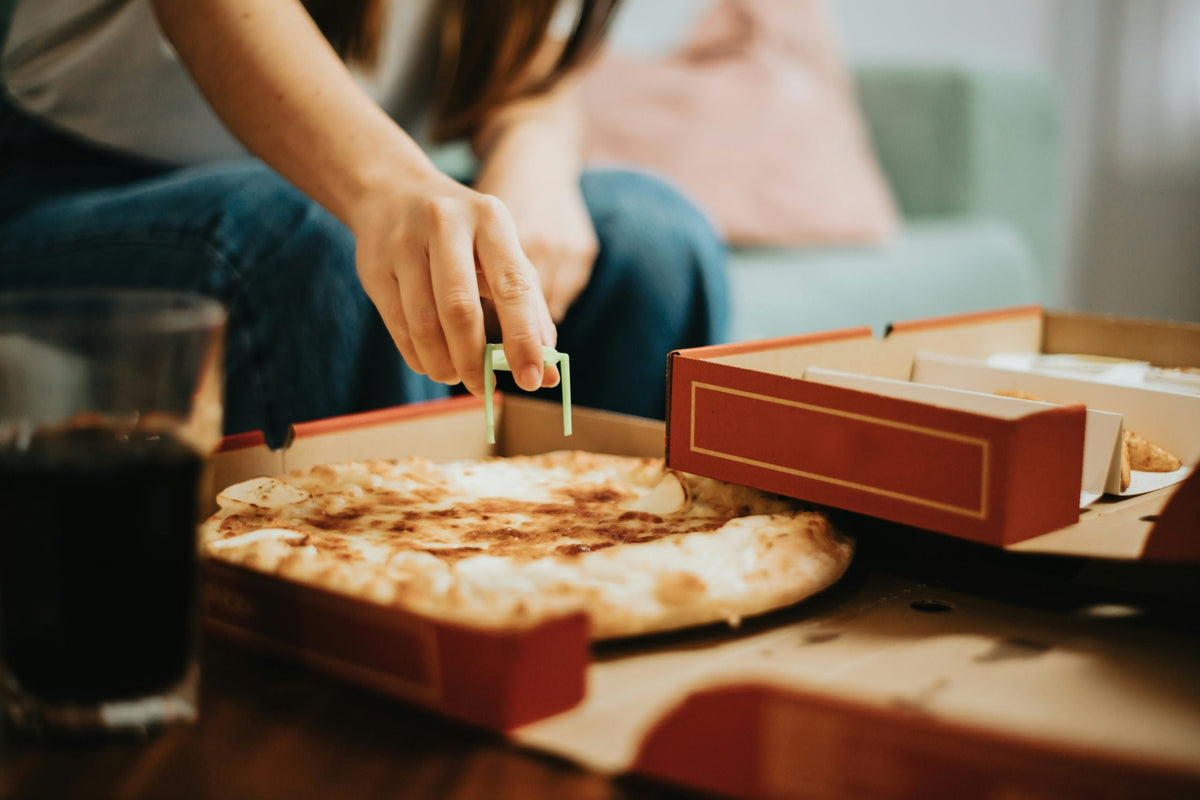
Packaging forms the functional boundary between food and its surroundings. Thermal performance, moisture barriers, grease resistance and structural rigidity determine how well food retains texture and temperature during transport. For dishes that need a crisp surface, ventilation and condensation control influence complaints and repeat purchases. With soups and sauces, leak resistance and a secure closure reduce cleaning costs and negative social-media attention. Optimising these factors reduces waste and improves margins because the food arrives as intended.
Packaging also carries brand information. Material, shape, colour and feel communicate quality and values. Environmental communication is increasingly a customer expectation. Biodegradable and recyclable options can build credibility, but a green claim alone is not enough. A complete approach includes standard portion sizes, room for allergen labels and a QR code linking to product information and traceability. Packaging that supports storytelling and transparency encourages customers to share their experiences, strengthening word of mouth without a direct advertising spend. This matters particularly for cafés and restaurants competing through differentiation.
Packaging also affects operational costs. Stackability and efficient use of space reduce storage requirements. Standard sizes speed up packing and reduce errors. Lightweight materials can lower transport costs, especially when third-party delivery prices depend on weight and volume. By modelling packing time, material use and complaint rates per meal, a restaurant can identify where packaging creates a bottleneck and where it supports growth. Investment in a better solution can then become productive capital allocation.